
Your Garage Door Shouldn't Sound Like That
You press the button, and instead of the smooth hum you're used to, your garage door lets out a grinding, squealing, or banging noise that makes the whole house shudder. If you're a homeowner in Port Charlotte, you've probably experienced this at least once — especially if your garage door has been exposed to years of Florida's heat and humidity.
A noisy garage door is more than just an annoyance. Different sounds can point to different problems, and ignoring them often leads to more expensive repairs down the road. The good news is that many of these issues are fixable, and understanding what your garage door is trying to tell you can help you take action before a minor issue turns into a major headache.
Common Garage Door Noises and What They Mean
Not all garage door noises are created equal. Here's a breakdown of the most common sounds and what's likely causing them.
Squealing or Squeaking
A high-pitched squeal when your garage door moves is one of the most common complaints we hear from homeowners in Port Charlotte and Punta Gorda. This sound usually means one thing: friction. Metal parts that should be gliding smoothly are rubbing against each other without proper lubrication.
The most common culprits include:
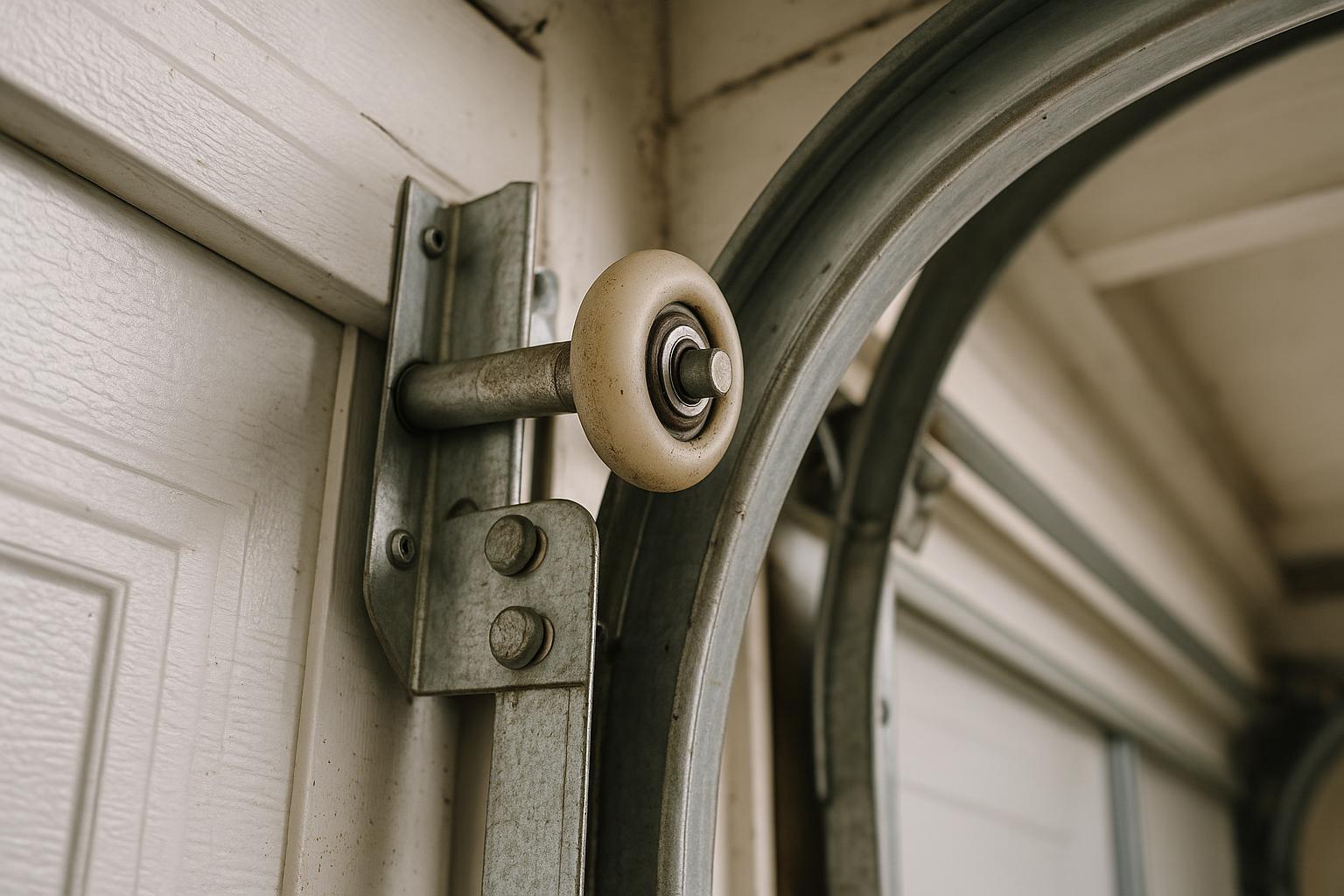
- Dry rollers — Metal rollers need regular lubrication. Without it, they grind against the track and create that unmistakable squeal.
- Worn hinges — The hinges that connect your door panels can dry out and start squeaking over time.
- Torsion spring coils — When the coils of your torsion spring rub together without lubrication, they can produce a loud squealing noise during operation.
In many cases, applying a garage door-specific lubricant to the rollers, hinges, and springs can eliminate the noise entirely. However, if the squealing persists after lubrication, the parts may be worn out and need replacement.
Grinding or Scraping
A grinding or scraping sound is more concerning than a squeal. This noise often indicates that something is physically out of alignment or that a component is damaged.
Common causes include:
- Misaligned tracks — If the vertical or horizontal tracks have shifted, the rollers will scrape against the sides as the door moves. This creates a harsh grinding noise and can cause uneven wear on the door.
- Worn-out rollers — Nylon rollers eventually wear down, and metal rollers can develop flat spots. Either way, the result is a rough, grinding movement.
- Debris in the tracks — Small rocks, dirt, or even insects can accumulate in the tracks and cause scraping noises. Living in areas like Rotonda West or Englewood, where sandy soil and outdoor debris are common, this happens more often than you might think.
If you hear grinding, it's worth inspecting the tracks visually. Look for obvious gaps between the rollers and the track, or any bends in the track itself. If the track is visibly bent or warped, don't try to fix it yourself — a misaligned track under spring tension can be dangerous.
Banging or Popping
A loud bang or pop when your garage door opens or closes can be startling. This sound often points to a problem with the springs or the panels themselves.
- Spring tension issues — If the torsion springs are improperly adjusted, they can release tension unevenly, creating a popping sound. This is especially common after a spring replacement if the tension wasn't set correctly.
- Loose hardware — Over time, nuts, bolts, and brackets can loosen due to the constant vibration of daily use. A loose bracket on the track or a loose hinge can cause a banging noise every time the door passes that point.
- Panel damage — If a door panel is cracked or warped, it can flex and pop as the door moves. Florida's intense heat and afternoon storms can accelerate panel deterioration, particularly on older wooden or thin steel doors.
Rattling or Vibrating
A rattling noise usually means something is loose. This is often the easiest type of noise to diagnose and fix.
- Loose chain or belt — If you have a chain-drive or belt-drive opener, the chain or belt can loosen over time and start rattling during operation.
- Loose opener mounting — The bracket that secures your garage door opener to the ceiling can work itself loose, causing the entire unit to vibrate and rattle.
- Worn support struts — On wider garage doors common in many Port Charlotte homes, the horizontal struts that reinforce the top panel can loosen and rattle.
Tightening the hardware and adjusting the chain tension can often solve rattling problems quickly.
When Noise Means It's Time for an Upgrade
Sometimes the noise isn't caused by a single failing part — it's just an old door doing what old doors do. If your garage door is 15 to 20 years old and has become progressively louder despite regular maintenance, it may be time to consider a replacement.
Modern garage doors are significantly quieter than older models. Nylon rollers, belt-drive openers, and insulated steel panels all contribute to a smoother, quieter operation. If you're tired of waking up the household every time you leave early in the morning, upgrading your door or opener can make a noticeable difference.
Simple Maintenance That Reduces Noise
Many garage door noises can be prevented with basic maintenance that takes less than 30 minutes. Here's what you can do on your own:
- Lubricate moving parts — Use a silicone-based or lithium-based garage door lubricant on the rollers, hinges, springs, and bearing plates every six months. Avoid WD-40, which is a solvent, not a long-term lubricant.
- Tighten loose hardware — Use a socket wrench to check and tighten all bolts and brackets on the tracks, hinges, and opener mounting hardware.
- Inspect the rollers — Look for cracks, chips, or flat spots on the rollers. If they're visibly damaged, they need to be replaced.
- Clear the tracks — Wipe down the inside of the tracks with a damp cloth to remove dirt and debris. Don't lubricate the tracks themselves — this can cause the rollers to slide instead of rolling properly.
When to Call a Professional
While lubrication and tightening bolts are safe DIY tasks, some noise-related problems require professional attention. You should call a garage door technician if:
- The noise is accompanied by the door moving unevenly or getting stuck
- You notice a gap between the rollers and the track
- The springs appear stretched, rusty, or damaged
- The door shakes or vibrates excessively during operation
- You've lubricated and tightened everything, but the noise persists
These symptoms can indicate problems with the springs, cables, or track alignment — all of which involve components under high tension that can cause serious injury if handled incorrectly.
Don't Ignore What Your Garage Door Is Telling You
A noisy garage door is your early warning system. It's telling you that something needs attention before it becomes a bigger, more expensive problem. Whether it's a simple lubrication issue or a sign that your rollers or springs are failing, addressing the noise now can save you from an unexpected breakdown later.
If your garage door has been making unusual sounds and you're not sure what's causing it, Port Charlotte Door & Opener can help. We serve homeowners throughout Port Charlotte, North Port, Punta Gorda, Englewood, Murdock, and Rotonda West with honest diagnostics and reliable repairs. Give us a call, and we'll get your garage door running quietly again.